



Kigali · In person · Registration closed

Let’s make itpublishable.

Bring the question you keep thinking about. We will work through the gap, proposal, experiment, IEEE paper, research poster and conference submission—one practical stage at a time.

Date
14 November 2026
Time
7:30 AM–6:00 PM CAT

Supported and delivered in Rwanda by

+
IEEE Microwave Theory and Technology Society
++
IEEE Geoscience and Remote Sensing Society

A paper is not written in one sitting.

It is built through decisions: what is missing, what you will test, what the evidence means, how you will explain it, and where the work belongs.

This series makes those decisions visible. No vague “academic writing tips.” We will use real research artefacts, IEEE templates and practical exercises that move your own work forward.

Four sessions. One submission journey.

See what each session covers and what you can take away. All times are in CAT.

01
Frame the work · 08:45–10:15

Find the gap. Make the case.

Leave with a research problem you can explain, defend and turn into a proposal.

  • Introduction to research. What counts as a research contribution versus an interesting topic. How to recognise a defensible research gap rather than a general area of interest, and the difference between a research topic and a research question.
  • Performing a literature review. Search strategy across IEEE Xplore, arXiv, Google Scholar, Papers With Code, Web of Science and the ACM Digital Library. Screening and organising what you find, mapping what is already known without being overwhelmed by volume, and using tools like VOSviewer.
  • From gap to proposal. Turning a gap into research questions, objectives and a stated contribution. Drafting a one-page research brief that connects problem, method and expected evidence.
You leave withA one-page research brief
02
Build the evidence · 10:40–12:10

Design the study. Trust the result.

Move from a good question to a method that another researcher can follow and test.

  • Choosing a method and reproducing a baseline. Matching a method to the research question across quantitative, qualitative, simulation, experimental and computational approaches. Before extending anything, reproduce an existing baseline first—whether cloning a code repository, rebuilding a circuit or testbed, or reimplementing a published model.
  • Designing the study. Planning experiments, choosing datasets or test conditions, defining baselines for comparison and setting evaluation criteria before collecting data. Includes designing ablation studies—changing one component at a time to show why it matters, not just that it works.
  • Benchmarking and presenting results. Reading results without overstating conclusions. Measuring performance beyond a single accuracy number—such as latency, throughput, memory footprint or power draw. Keeping results reproducible with experiment tracking and version control, and turning evidence into readable tables and figures.
You leave withA method-and-results plan
03
Write the paper · 13:25–15:10

Structure it like an IEEE paper.

Understand what belongs in every section and produce it in a publication-ready workflow.

  • IEEE paper structure. The job of each section: abstract, introduction, related work, method, results, discussion and conclusion—and what IEEE reviewers look for in each one.
  • Using LaTeX and conference templates. Working in Overleaf or a local LaTeX setup with the IEEEtran template, with notes on ACM and other conference template families. Setting equations, algorithms, tables, figures, citations, the reference list and clean system or architecture diagrams.
  • Designing a research poster. Translating a paper into a technical poster that communicates the contribution in about three minutes: layout, hierarchy and visual clarity.
You leave withA structured IEEE manuscript
04
Enter the community · 16:30–17:25

Choose the venue. Submit well.

Hear from IEEE society speakers about membership, research networks, conferences and paper submission.

  • IEEE IES President remarks. Remarks from the IEEE Industrial Electronics Society (IES) President on entering the global IEEE research and publication community.
  • IEEE IES Hubs & Nodes. How regional hubs and nodes connect researchers with the IEEE IES community.
  • IEEE IES membership. Ways to get involved in the IEEE Industrial Electronics Society.
  • IEEE IES conferences and paper submission. How to find a suitable conference and prepare to submit your paper.
  • IEEE ComSoc and MTT-S. Research and publication opportunities in the communications and microwave communities.
You leave withA conference submission plan
View the full programme

The day, hour by hour.

Built around the four published workshop stages—combining short framing talks, hands-on LaTeX and literature labs, structured worksheets and live project pitches.

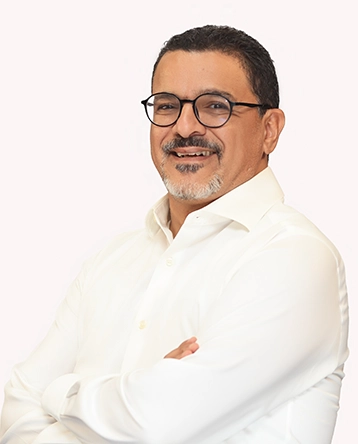
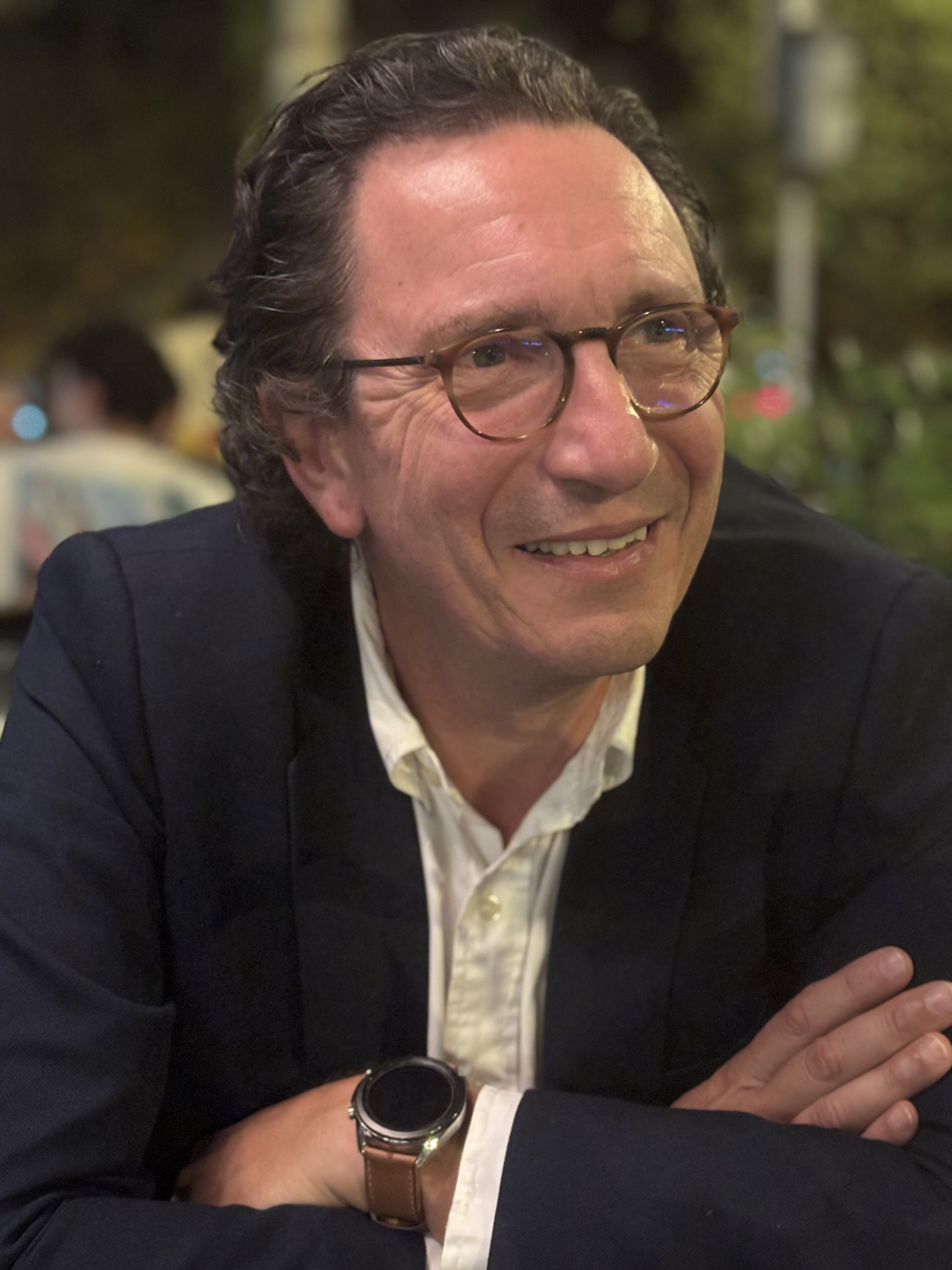
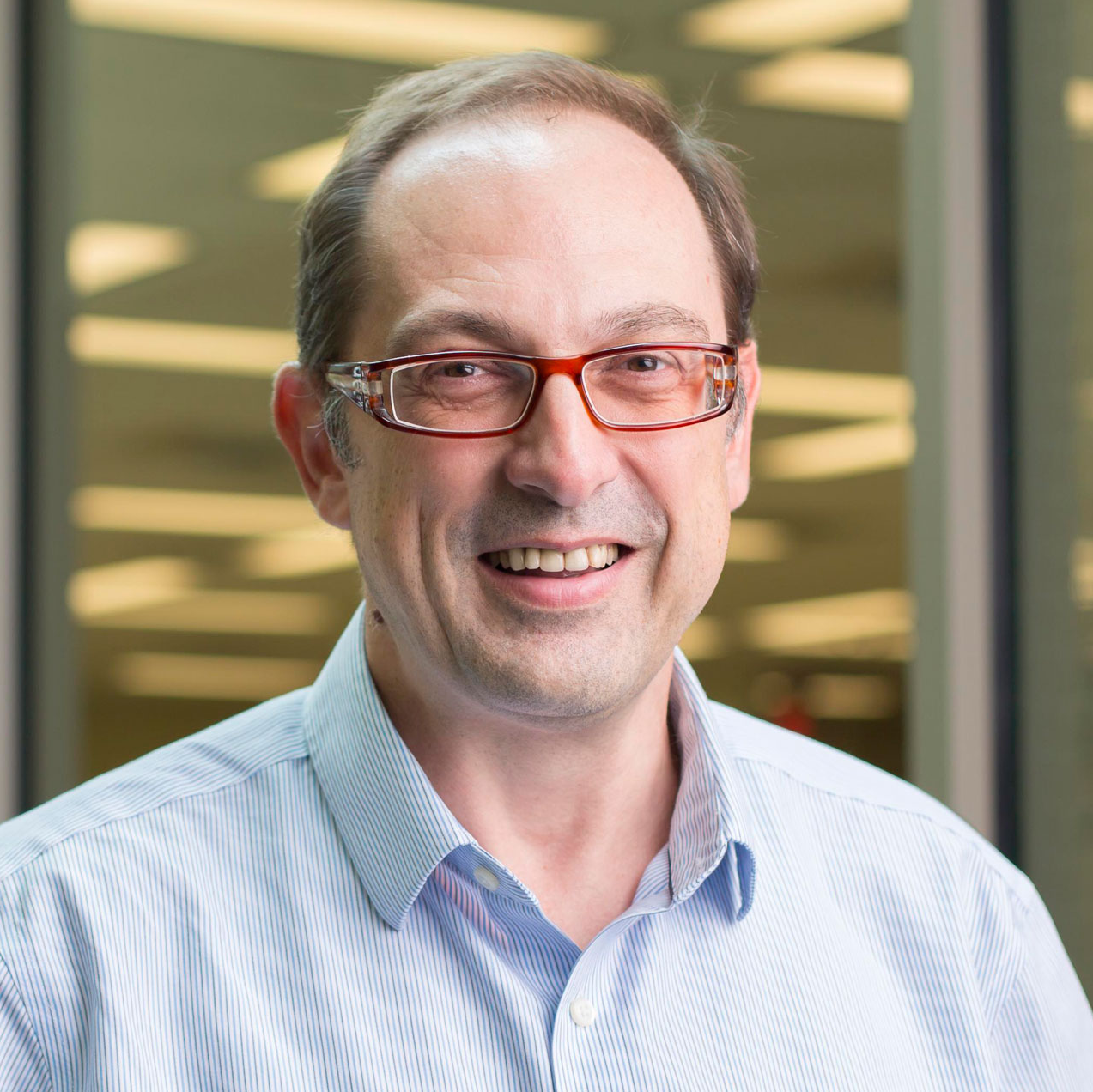
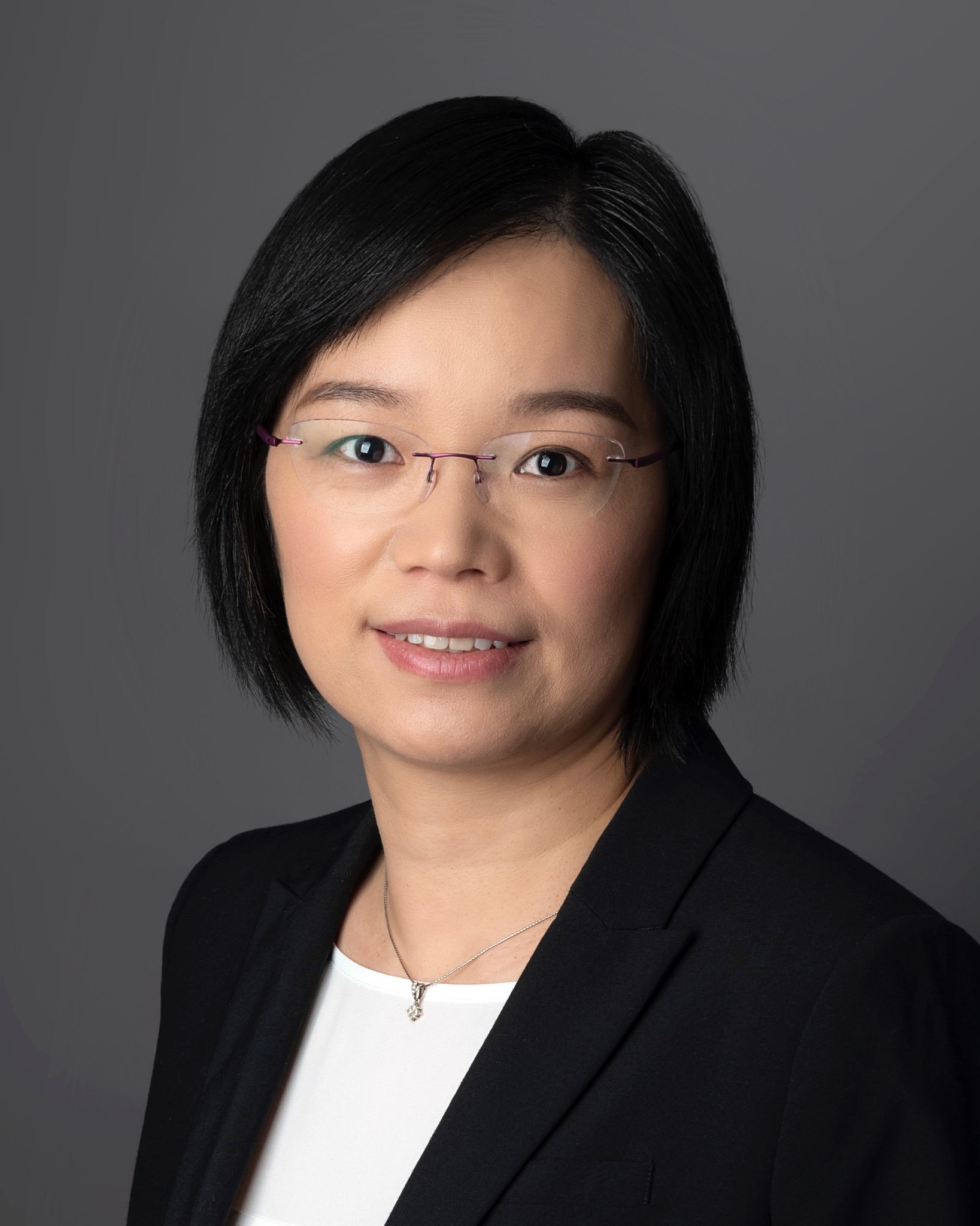
SPEAKER LINE-UP & FACILITATORSCONFIRMED SPEAKERS
Session 01 · 08:45–10:15Confirmed
Tim Brown

Tim Brown

Professor · CMU-Africa

Session 01 · 08:45–10:15Confirmed
Ismaila Dabo

Ismaila Dabo

Professor · CMU-Africa

Session 03 · 13:25–15:10Confirmed
George Okeyo

George Okeyo

Associate Teaching Professor · CMU-Africa

Session 02 · 10:40–12:10Confirmed
Sascha Griffiths

Sascha Griffiths

Assistant Teaching Professor · CMU-Africa

Session 03 · 13:25–15:10Confirmed
Edwin Mugume

Edwin Mugume

Assistant Teaching Professor · CMU-Africa

Session 02 · 10:40–12:10Confirmed
Hatem Haddad

Hatem Haddad

Assistant Teaching Professor · CMU-Africa

Session 04 · 16:30–16:45Confirmed
Juan José Rodríguez Andina

Juan José Rodríguez Andina

President · IEEE Industrial Electronics Society (IES)

Session 04 · 16:45–16:55Confirmed
Milos Manic

Milos Manic

IEEE IES · Hubs & Nodes

Session 04 · 16:55–17:05Confirmed
Yajun Pan

Yajun Pan

IEEE IES · Membership

Session 04 · 17:05–17:15Confirmed
Luís Gomes

Luís Gomes

IEEE IES · Conferences & Paper Submission

Session 04 · 17:15–17:25Confirmed
Stefano Giordano

Stefano Giordano

IEEE ComSoc Representative

Opening · 08:15–08:35Confirmed
Kipngeno Koech

Kipngeno Koech

Workshop Chair · IEEE IES Representative

45 minOPENING
ArrivalLogistics

Registration and welcome

Check in, collect materials and seating. Short welcome from the IEEE IES, MTT-S and ComSoc Rwanda chapters.

Speaker / Host
Chapter & Collaborator Representatives
IEEE IES, MTT-S, ComSoc Rwanda & CMU-Africa Research Club
20 minOPENING
Opening remarksTalk

Why this workshop exists

Framing for the day: a paper is built through a sequence of decisions, not written in one sitting. Introduces the four workshop sessions.

Speakers / Hosts
Tim Brown
Professor · CMU-Africa (10 min)
Kipngeno Koech
Workshop Chair · IEEE Rwanda (5 min)
Mustapha Alaba
Organising Chapters · IEEE Rwanda (5 min)
30 minSESSION 01
Frame the workTalk + discussion

Introduction to research

What counts as a research contribution versus an interesting topic. How to recognise a defensible research gap rather than a general area of interest, and the difference between a research topic and a research question.

Speakers / Hosts
Tim Brown
Professor · CMU-Africa (Room A-F203)
Ismaila Dabo
Professor · CMU-Africa (Room B-F205)
30 minSESSION 01
Frame the workHands-on exercise

Performing a literature review

Search strategy across IEEE Xplore, arXiv, Google Scholar, Papers With Code, Web of Science and the ACM Digital Library. Screening and organising what you find, mapping what is already known without being overwhelmed by volume, and using tools like VOSviewer.

Speakers / Hosts
Tim Brown
Professor · CMU-Africa (Room A-F203)
Ismaila Dabo
Professor · CMU-Africa (Room B-F205)
30 minSESSION 01
Frame the workWorksheet

From gap to proposal

Turning a gap into research questions, objectives and a stated contribution. Drafting a one-page research brief that connects problem, method and expected evidence.

Speakers / Hosts
Tim Brown
Professor · CMU-Africa (Room A-F203)
Ismaila Dabo
Professor · CMU-Africa (Room B-F205)
25 min
BreakCoffee breakRefreshments and informal peer discussion before Session 2.
30 minSESSION 02
Build the evidenceTalk + examples

Choosing a method and reproducing a baseline

Matching a method to the research question across quantitative, qualitative, simulation, experimental and computational approaches. Before extending anything, reproduce an existing baseline first—whether cloning a code repository, rebuilding a circuit or testbed, or reimplementing a published model.

Speakers / Hosts
Hatem Haddad
Assistant Teaching Professor · CMU-Africa (Room A-F203)
Sascha Griffiths
Assistant Teaching Professor · CMU-Africa (Room B-F205)
30 minSESSION 02
Build the evidenceHands-on exercise

Designing the study

Planning experiments, choosing datasets or test conditions, defining baselines for comparison and setting evaluation criteria before collecting data. Includes designing ablation studies—changing one component at a time to show why it matters, not just that it works.

Speakers / Hosts
Hatem Haddad
Assistant Teaching Professor · CMU-Africa (Room A-F203)
Sascha Griffiths
Assistant Teaching Professor · CMU-Africa (Room B-F205)
30 minSESSION 02
Build the evidenceWorksheet

Benchmarking and presenting results

Reading results without overstating conclusions. Measuring performance beyond a single accuracy number—such as latency, throughput, memory footprint or power draw. Keeping results reproducible with experiment tracking and version control, and turning evidence into readable tables and figures.

Speakers / Hosts
Hatem Haddad
Assistant Teaching Professor · CMU-Africa (Room A-F203)
Sascha Griffiths
Assistant Teaching Professor · CMU-Africa (Room B-F205)
70 min
LunchLunch breakLunch with fellow researchers, speakers and IEEE mentors at CMU-Africa.
30 minSESSION 03
Write the paperTalk + examples

IEEE paper structure

The job of each section: abstract, introduction, related work, method, results, discussion and conclusion—and what IEEE reviewers look for in each one.

Speakers / Hosts
Edwin Mugume
Assistant Teaching Professor · CMU-Africa (Room A-F203)
George Okeyo
Associate Teaching Professor · CMU-Africa (Room B-F205)
45 minSESSION 03
Write the paperHands-on lab

Using LaTeX and conference templates

Working in Overleaf or a local LaTeX setup with the IEEEtran template, with notes on ACM and other conference template families. Setting equations, algorithms, tables, figures, citations, the reference list and clean system or architecture diagrams.

Speakers / Hosts
Edwin Mugume
Assistant Teaching Professor · CMU-Africa (Room A-F203)
George Okeyo
Associate Teaching Professor · CMU-Africa (Room B-F205)
30 minSESSION 03
Write the paperHands-on exercise

Designing a research poster

Translating a paper into a technical poster that communicates the contribution in about three minutes: layout, hierarchy and visual clarity.

Speakers / Hosts
Edwin Mugume
Assistant Teaching Professor · CMU-Africa (Room A-F203)
George Okeyo
Associate Teaching Professor · CMU-Africa (Room B-F205)
20 min
BreakCoffee breakReconvene in the Digital East Africa Center (DEC) for the Research Showcase.
60 minSHOWCASE / LIVE
Project pitches & Q&ALive pitches + Q&A

5 project pitches

Five teams each get 5 minutes to pitch and 5 minutes for questions and feedback from the judges. The full room attends.

NOTE

Session 4 continues right after · Judges deliberate during Session 4 so results are ready by Closing

Speaker / Host
Research Club Exec & Judging Panel
CMU-Africa Research Club · Showcase Hosts & Judges
15 minSESSION 04
IEEE IES President remarksTalk

IEEE IES President remarks

Remarks from the IEEE Industrial Electronics Society (IES) President on entering the global IEEE research and publication community.

Speaker / Host
Juan José Rodríguez Andina
President · IEEE Industrial Electronics Society (IES) (Online)
10 minSESSION 04
Enter the community · OnlineTalk

IEEE IES Hubs & Nodes

How regional hubs and nodes connect researchers with the IEEE IES community.

Speaker / Host
Milos Manic
IEEE IES · Hubs & Nodes (Online)
10 minSESSION 04
Enter the community · OnlineTalk

IEEE IES membership

Ways to get involved in the IEEE Industrial Electronics Society.

Speaker / Host
Yajun Pan
IEEE IES · Membership (Online)
10 minSESSION 04
Enter the community · OnlineTalk

IEEE IES conferences and paper submission

How to find a suitable conference and prepare to submit your paper.

Speaker / Host
Luís Gomes
IEEE IES · Conferences & paper submission (Online)
10 minSESSION 04
Enter the community · OnlineTalk

IEEE ComSoc and MTT-S

Research and publication opportunities in the communications and microwave communities.

Speaker / Host
Stefano Giordano
IEEE ComSoc / MTT-S (Online)
30 minCLOSING
Closing and BreakTalk

Closing remarks, winner announcement, next steps and coffee break

Recap of the day's outcomes: research gap, method plan, manuscript workflow, submission plan, poster and peer network. Announcement of the Research Showcase winners, follow-up opportunities and closing coffee break.

Speakers / Hosts
Cyiza Augustin
Closing Remarks · IEEE Rwanda
Kipngeno Koech
Workshop Chair · IEEE Rwanda
CMU-Africa Research Club Executive
Co-Organisers · CMU-Africa

What you can apply to your research

  1. 01Turn a gap in the literature into a research question and a one-page proposal.
  2. 02Choose a method, reproduce a baseline and decide how to evaluate your study before collecting data.
  3. 03Compare results and present them in tables and figures that support your conclusions.
  4. 04Outline an IEEE paper and format it in LaTeX with the IEEEtran template.
  5. 05Design a poster that explains your research contribution in about three minutes.
  6. 06Identify a suitable IEEE conference and find ways to connect with its research community.

Meet the conferences behind the acronyms.

Explore conferences from IES, MTT-S, ComSoc and GRSS. Use the call for papers checklist to decide where your research fits.

  • IECONAnnual Conference of the IEEE Industrial Electronics SocietyIES
  • IMSInternational Microwave SymposiumMTT-S
  • GLOBECOMGlobal Communications ConferenceComSoc
  • ISIEInternational Symposium on Industrial ElectronicsIES
  • IMASInternational Microwave and Antennas SymposiumMTT-S
  • ICCInternational Conference on CommunicationsComSoc
  • ICITInternational Conference on Industrial TechnologyIES
  • MAPCONMicrowaves, Antennas and Propagation ConferenceMTT-S
  • INFOCOMInternational Conference on Computer CommunicationsComSoc
  • INDINInternational Conference on Industrial InformaticsIES
  • NEMONumerical Electromagnetic and Multiphysics Modeling and OptimizationMTT-S
  • WCNCWireless Communications and Networking ConferenceComSoc
  • ETFAEmerging Technologies and Factory AutomationIES
  • IMBioCInternational Microwave Biomedical ConferenceMTT-S
  • NOMSNetwork Operations and Management SymposiumComSoc
  • IGARSSInternational Geoscience and Remote Sensing SymposiumGRSS
  • M2GARSSMediterranean and Middle-East Geoscience and Remote Sensing SymposiumGRSS
  • InGARSSIndia Geoscience and Remote Sensing SymposiumGRSS
  • IECONAnnual Conference of the IEEE Industrial Electronics Society
  • ISIEInternational Symposium on Industrial Electronics
  • ICITInternational Conference on Industrial Technology
  • INDINInternational Conference on Industrial Informatics
  • ETFAEmerging Technologies and Factory Automation
Browse all IES conferences
  • IMSInternational Microwave Symposium
  • IMASInternational Microwave and Antennas Symposium
  • MAPCONMicrowaves, Antennas and Propagation Conference
  • NEMONumerical Electromagnetic and Multiphysics Modeling and Optimization
  • IMBioCInternational Microwave Biomedical Conference
Browse all MTT-S conferences
  • GLOBECOMGlobal Communications Conference
  • ICCInternational Conference on Communications
  • INFOCOMInternational Conference on Computer Communications
  • WCNCWireless Communications and Networking Conference
  • NOMSNetwork Operations and Management Symposium
Browse all ComSoc conferences
  • IGARSSInternational Geoscience and Remote Sensing Symposium
  • M2GARSSMediterranean and Middle-East Geoscience and Remote Sensing Symposium
  • InGARSSIndia Geoscience and Remote Sensing Symposium
Browse all GRSS conferences
CALL FOR PAPERSCFP / FIELD NOTES

Before you submit, ask:

  • Does my topic fit the scope?
  • Which track and technical committee?
  • What evidence will reviewers expect?
  • Can I meet every deadline?
READY
TO
SUBMIT?

Financial sponsors

  • IEEE
  • IEEE Elevate
  • IEEE Students
  • IEEE Region 8 Student Activities Committee
  • IEEE Industrial Electronics Society Rwanda
  • IEEE IES East/West Africa Hubs & Nodes
  • IEEE Microwave Theory and Technology Society Rwanda
  • IEEE Communications Society Rwanda
  • IEEE Geoscience and Remote Sensing Society

Supporting partners